Category: Segway

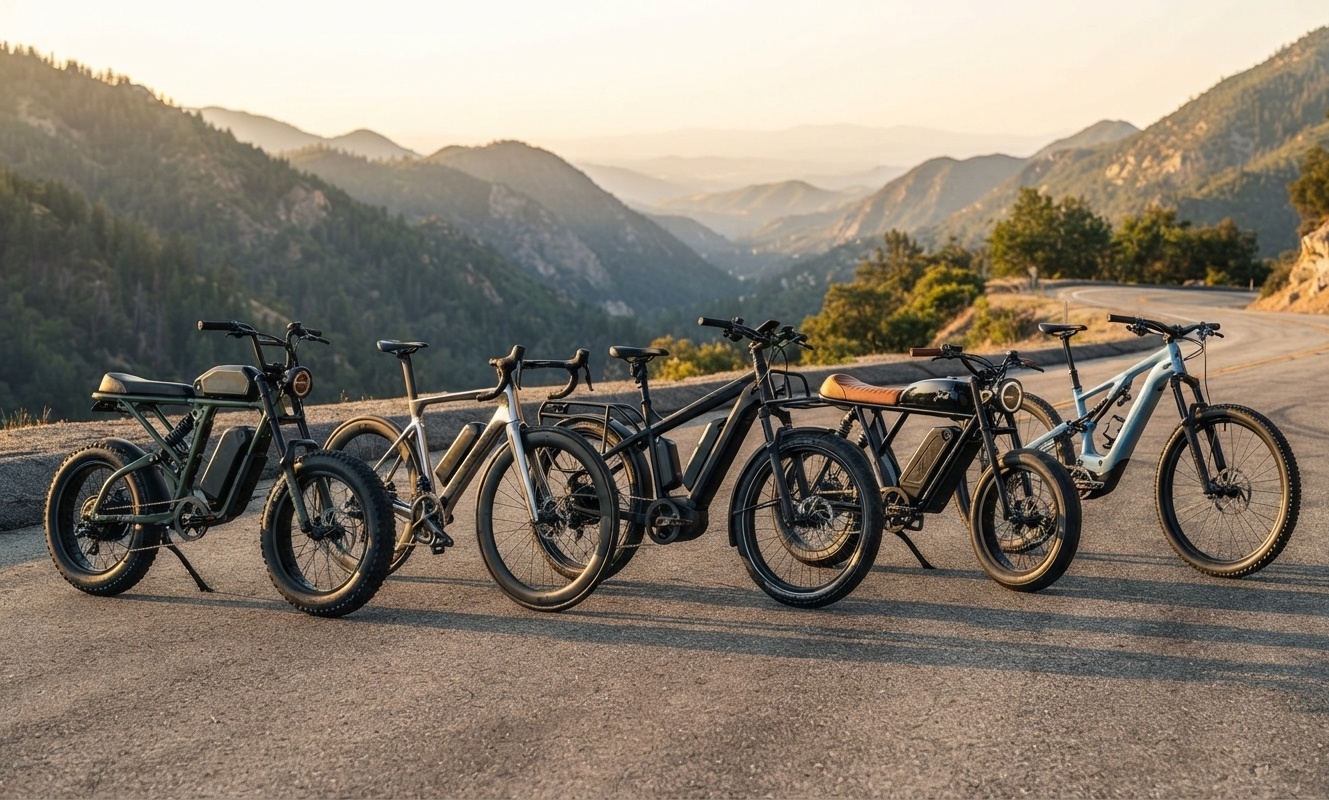
Welcome to the ultimate hub for Segway electric bikes. Segway has revolutionized personal mobility by blending cutting-edge smart technology, aggressive styling, and powerhouse performance. Whether you are looking for the trail-blazing, high-torque capabilities of the Segway Xyber, the long-range comfort of the Xafari, or versatile urban commuters, our collection brings you the latest models.

Compare specifications, review real-world performance metrics, and discover why these smart e-bikes are dominating search trends. Looking for high-performance alternatives or custom upgrades? Explore our in-depth reviews and expert guides to find the perfect ride that matches your power and budget requirements.

  • Segway Scooter Buyer’s Guide: ZT3 Pro vs. E2 Pro / E3 Pro vs. GT3 (2026)

    Segway Scooter Buyer’s Guide: ZT3 Pro vs. E2 Pro / E3 Pro vs. GT3 (2026)

    Choosing the right electric kickscooter comes down to your primary riding environment and budget. Segway’s extensive eKickScooter portfolio ranges from ultra-affordable entry-level commuters to rugged off-road machines and high-speed highway-capable SuperScooters.

    In this comparison guide, we analyze three distinct tiers of Segway scooters: the budget-friendly E2 Pro / E3 Pro series, the all-terrain ZT3 Pro, and the high-power GT3 SuperScooter. Using official specifications, we break down their performance, build quality, and intended use.

    At a Glance: Spec Comparison Table

    Feature / Spec Segway E2 Pro / E3 Pro Segway ZT3 Pro Segway GT3 SuperScooter
    Price (USD) $499.99 – $699.99 $999.99 – $1,299.99 $1,699.99 – $1,899.99
    Motor Power Peak 500W – 800W 650W Rated / Peak 1600W 1200W Rated / Peak 2400W
    Battery Capacity 368 Wh 597 Wh 899 Wh
    Claimed Range 15.5 – 34 miles 18.6 – 43.5 miles 25 – 45 miles
    Top Speed 15.5 – 20 mph 24.9 mph 31 mph
    Net Weight ~41.4lbs (18.8 kg) ~65.5lbs (29.7 kg) ~87 lbs (39.5 kg)
    Tires Standard Off-Road / All-Terrain 11″ Self-Sealing Tubeless
    Key Features Lightweight, Entry Commuter All-Terrain / Off-Road Styling Ultra Boost, Dual Hydraulic Suspension, AirLock, Apple Find My

    Model Breakdown

    1. Segway E2 Pro / E3 Pro: Budget Urban Mobility

    The Segway E2 Pro / E3 Pro series is designed for budget-conscious riders who need simple, reliable transportation for short neighborhood trips, campus travel, or last-mile transit connections. With peak motor power ranging from 500W to 800W, it provides accessible top speeds between 15.5 and 20 mph.

    • Pros: Highly affordable ($499.99–$699.99), lightweight, and easy to carry onto public transit.
    • Cons: Top speed capped at 20 mph and lacks advanced long-travel suspension.

    2. Segway ZT3 Pro: Rugged All-Terrain Styling

    The Segway ZT3 Pro introduces an aggressive, off-road design tailored for riders who venture beyond flat asphalt. Styled as an all-terrain eKickScooter, it features reinforced framing and specialized tread patterns designed to absorb gravel trails and uneven pavement.

    • Pros: Built specifically for mixed surfaces, dirt paths, and rough suburban roads with bold off-road aesthetics.
    • Cons: Detailed internal battery and motor specs are less transparent in official summary lists.

    3. Segway GT3 SuperScooter: High-Speed Long-Distance Cruiser

    For high-performance enthusiasts, the Segway GT3 SuperScooter bridges the gap between daily commuters and professional sports scooters. Driven by a 1200W rated motor peaking at 2400W and an 899 Wh battery, the GT3 reaches 31 mph and offers up to 45 miles of range.

    • Pros: High-power 2400W peak motor, dual hydraulic suspension, 11-inch self-sealing tires, and Apple Find My integration.
    • Cons: Heavier frame (~87 lbs) and a higher investment cost ($1,699.99–$1,899.99).

    Summary Recommendation: Which Scooter Fits You?

    • Choose the E2 Pro / E3 Pro if: You need an entry-level, lightweight scooter for smooth city pavement at the lowest price ($499.99–$699.99).
    • Choose the ZT3 Pro if: You want aggressive off-road styling and specialized tires for gravel, grass, and rougher terrain ($999.99–$1,299.99).
    • Choose the GT3 SuperScooter if: You demand 30+ mph cruising speeds, premium hydraulic dual suspension, and high battery capacity for extended commutes ($1,699.99–$1,899.99).

    Frequently Asked Questions (FAQ)

    Are 11-inch self-sealing tires worth it on the GT3?
    Yes. 11-inch tubeless self-sealing tires contain an internal sealant layer that automatically plugs minor tread punctures up to 4 mm, preventing flat tires and ensuring ride reliability.

    Is the Segway ZT3 Pro suitable for daily commuting?
    Yes. While designed with all-terrain aesthetics, its rugged build helps absorb potholes and uneven pavement that standard urban scooters struggle with.

    Final Verdict

    Segway’s scooter lineup addresses clear budget and terrain needs. The E2 Pro / E3 Pro series is the most practical choice for basic city trips. The ZT3 Pro satisfies riders needing all-terrain durability, while the GT3 SuperScooter is built for high-speed performance and maximum comfort over long distances.

  • Segway Myon vs. Muxi: Which Smart Commuter eBike Should You Buy in 2026?

    Segway Myon vs. Muxi: Which Smart Commuter eBike Should You Buy in 2026?

    As urban commuting evolves, electric bikes are transitioning from simple motorized transportation into highly connected, intelligent mobility systems. Segway’s dedicated eBike lineup exemplifies this trend, incorporating smart ecosystem features like AirLock proximity unlocking and integrated Apple Find My tracking.

    Two of Segway’s primary urban models — the Segway Myon and the Segway Muxi — target daily commuters who want advanced rider-assist technology. In this comparison, we examine the official specifications, key performance features, and price points of both models to help you determine which smart bike best suits your daily ride.

    At a Glance: Spec Comparison Table

    Below is a side-by-side technical specification comparison based on official manufacturer data.

    Feature / Spec Segway Myon eBike Segway Muxi eBike
    Price (USD) $1,799.99 – $1,999.99 $1,699.99
    Motor Power  500W Rated 750W Rated
    Battery Capacity 722Wh 717 Wh
    Claimed Range Up to 80 miles Up to 80 miles
    Top Speed Class 2: 20 mph / Class 3: 28 mph Class 2: 20 mph / Class 3: 23 mph
    Weight 73 lbs 72.7 lbs
    Tires 27.5*1.95 Inch Tires 20*3.0 Tires
    Drivetrain / Shifting 9-speed Shimano drivetrain with electronic auto-shifting Single-Speed
    Key Highlights Electronic Shifting, TurboTuned System, Smart Riding System Traction Control, Downhill Control, AirLock, Apple Find My

    Detailed Model Overview

    1. Segway Myon eBike: Premium Smart Shifting & Speed

    The Segway Myon is positioned as a refined, technology-first riding experience. Designed for riders who prioritize smooth drivetrain mechanics and faster commuter speeds, it supports Class 3 performance up to 28 mph. It stands out with its electronic shifting system and Segway’s proprietary TurboTuned performance profile.

    • Pros: Electronic shifting for smooth gear changes, higher Class 3 top speed (28 mph), and refined TurboTuned power distribution.
    • Cons: Higher price point ($1,799.99 – $1,999.99) and unlisted motor/battery wattage specs.

    2. Segway Muxi eBike: Feature-Rich Daily Value

    The Segway Muxi balances practical hardware specs with active riding safety features. Equipped with a rated 750W motor and a 717 Wh battery, the Muxi offers an impressive claimed range of up to 80 miles. It focuses on stability through active traction and downhill speed control systems.

    • Pros: Transparent specs (750W motor / 717 Wh battery), active stability features (Traction & Downhill Control), and built-in Apple Find My & AirLock.
    • Cons: Lower Class 3 top speed cap (23 mph) compared to the Myon’s 28 mph limit.

    Which Model Should You Choose?

    • Choose the Segway Myon if: You want a premium, high-speed commuting experience. If you ride alongside motorized traffic on open city roads, the 28 mph top speed paired with effortless electronic shifting makes the Myon worth the higher investment.
    • Choose the Segway Muxi if: You want maximum range transparency, active rider assistance (traction/downhill control), and high value at $1,699.99. The 717 Wh battery and 80-mile estimated range make it a dependable daily workhorse.

    Frequently Asked Questions (FAQ)

    What is the main difference between the Segway Myon and Muxi?
    The primary differences lie in drivetrain technology and speed capping. The Myon features electronic gear shifting and a higher Class 3 top speed of 28 mph, whereas the Muxi includes traction and downhill control systems, a 750W rated motor, 717 Wh battery, and a top speed of 23 mph.

    Do these eBikes support Apple Find My?
    Yes, smart ecosystem tracking like Apple Find My and AirLock hands-free unlocking are integrated across Segway’s connected bike series.

    Can I ride these eBikes without pedaling?
    Both models support Class 2 operational modes, allowing you to ride using a throttle up to 20 mph without pedaling where local regulations permit.

    Final Verdict

    Both the Segway Myon and Segway Muxi bring elevated intelligence to urban cycling. For riders seeking the newest shifting technology and higher cruising speeds, the Myon ($1,799.99–$1,999.99) represents Segway’s most refined commuter. For riders seeking proven range, strong 750W power, and active downhill control at a lower price point, the Muxi ($1,699.99) is the practical choice.

  • Segway Xyber Customization & Accessories Guide: Upgrades & Maintenance

    Segway Xyber Customization & Accessories Guide: Upgrades & Maintenance


    Owning a high-performance crossover machine like the Segway Xyber is thrilling, but customizing and maintaining your ride ensures peak performance, safety, and personalized style. Whether you want to optimize your cockpit setup, enhance trail safety, or keep your battery running strong, proper upgrades make all the difference.

    In this comprehensive guide, we explore the top accessories, customization tips, and routine maintenance practices for your Segway Xyber. Before diving into aftermarket additions, you can read our foundational Segway Xyber full review and specs breakdown to understand its factory baseline.


    1. Essential Cockpit & Ergonomic Upgrades

    The rider interface dictates your comfort on long rides. Consider these popular modifications:

    • Phone Mounts & Navigation: Secure heavy-duty aluminum phone mounts to utilize real-time GPS tracking alongside the smart TFT dash.
    • Handlebar Grips & Mirrors: Swap standard grips for ergonomic, anti-vibration rubber grips and add sleek bar-end mirrors for urban street safety.
    • Foot Pegs & Comfort: Fine-tune your riding posture with heavy-duty moto-style foot pegs for aggressive cornering.

    2. Protection & Weatherproofing Accessories

    Protecting your investment from the elements is crucial for longevity:

    • Frame Guards & Decals: Apply protective vinyl wraps or frame guards to prevent scratches during off-road trail sessions.
    • All-Weather Covers: Use a heavy-duty waterproof cover if outdoor storage is unavoidable.

    3. Routine Maintenance Best Practices

    Keep your machine running smoothly by following a routine checkup schedule:

    • Tire Pressure Monitoring: Wide fat tires require precise PSI tuning depending on whether you are riding sandy trails or smooth pavement.
    • Brake Pad Inspections: Given the heavy torque and rapid acceleration, check hydraulic brake pads monthly for wear.
    • Firmware & App Updates: Keep your Segway Intelligent Ride System updated via the mobile app for optimal motor and battery telemetry.

    If you’re still weighing your options or comparing how different platforms handle rugged terrain and modifications, check out our in-depth Segway Xyber vs. Sur-Ron Ultra Bee head-to-head comparison, or browse through our curated list of the top Segway Xyber budget alternatives.


    4. The Verdict: Personalize Your Ride

    Customizing your Segway Xyber not only boosts its aesthetic appeal but also tailors its utility to your exact riding habits. Take your time selecting quality parts that match your power and style requirements.

    Ready to explore more? Check out our Segway Xyber full review or discover more options in our top alternatives guide.


    Frequently Asked Questions

    What are the best accessories for the Segway Xyber?

    Essential accessories include phone mounts, upgraded handlebar switches, customized decals, and durable all-weather storage bags.

    How do I maintain my Segway Xyber for longevity?

    Regular maintenance involves checking tire pressure for the 20×5.0 fat tires, inspecting hydraulic brake pads, and keeping battery terminals clean and dry.

  • Top Segway Xyber Alternatives: Best High-Performance & Budget Electric Bikes

    Top Segway Xyber Alternatives: Best High-Performance & Budget Electric Bikes


    The Segway Xyber has set a high benchmark for futuristic, high-performance crossover e-bikes, but its premium price tag leaves many riders searching for capable and budget-friendly alternatives. Whether you are looking to save some cash or want a different configuration of power and utility, the market has fantastic options.

    In this guide, we break down the top Segway Xyber alternatives, helping you match your riding style with the best value-for-money e-bikes on the market. If you want to check the baseline standards set by the flagship model, read our comprehensive Segway Xyber full performance review first.


    1. What to Look for in a Segway Xyber Alternative

    Before jumping into specific models, evaluate what makes the Xyber appealing to you:

    • Power & Torque: Looking for massive acceleration or steep hill-climbing capacity?
    • Tire Configuration: Do you need 20″ x 5.0″ fat tires for sand, snow, and rough pavement?
    • Price vs. Value: Finding the sweet spot where performance meets your wallet size.

    2. Top Alternative Categories

    Depending on your core priorities, alternative rides generally fall into three buckets:

    • High-Torque Fat-Tire Cruisers: Excellent for riders who love the aggressive stance and comfort of a moto-style seat without paying flagship prices.
    • Budget-Friendly Dirt Performers: Ideal for riders searching for raw trail power similar to traditional e-mops (similar to how we evaluate pure off-road tracks in our Segway Xyber vs. Sur-Ron Ultra Bee comparison).
    • Modular & Modifiable Platforms: Bikes that allow you to easily upgrade controllers and batteries down the line.

    3. The Verdict: Which Alternative Fits You?

    While the Segway Xyber remains a top-tier choice for tech lovers, exploring budget-friendly and high-value alternatives can save you hundreds while still delivering incredible weekend thrills and daily commuting power.

    Whichever ride you end up selecting, proper care and setup are crucial. Make sure to look through our customization and routine maintenance guide to keep your electric bike running at peak condition for years to come.

    Ready to dive deeper into performance comparisons? Check out our Segway Xyber full review or read our head-to-head analysis in the Segway Xyber vs. Sur-Ron Ultra Bee comparison.


    Frequently Asked Questions

    What are the best alternatives to the Segway Xyber?

    The best alternatives depend on whether you prioritize raw budget savings, pure off-road dirt power, or high-torque fat-tire street cruising.

    Can I get a high-performance electric bike on a tight budget?

    Yes, many manufacturers offer high-torque motors, fat tires, and dual-battery options at a fraction of premium flagship prices.

  • Segway Xyber vs. Sur-Ron Ultra Bee: Which High-Performance E-Bike Wins?

    Segway Xyber vs. Sur-Ron Ultra Bee: Which High-Performance E-Bike Wins?


    When looking at the upper tier of electric two-wheelers, the market splits into two distinct philosophies: the tech-integrated crossover e-bike like the Segway Xyber, and the hardcore dirt-first electric motorcycle like the Sur-Ron Ultra Bee. Both machines deliver jaw-dropping power and torque, but they cater to entirely different rider profiles.

    In this head-to-head comparison, we pit the Segway Xyber against the Sur-Ron Ultra Bee to help you decide which machine deserves a spot in your garage. Before diving in, you can also check out our complete Segway Xyber review and technical breakdown to understand its baseline metrics.


    1. Design Philosophy & Frame Architecture

    The fundamental difference between these two rides lies in their DNA:

    • Segway Xyber: Adopts a hybrid “crossover” philosophy. It blends moto-style aesthetics—such as an extruded aluminum twin-spar frame and an elongated flat seat—with practical, fat-tire stability. It feels equally at home on a coastal boulevard or a moderately rugged dirt track.
    • Sur-Ron Ultra Bee: Built strictly from the ground up as a mid-weight electric dirt bike. It features high ground clearance, spoked dirt wheels, and a motocross geometry designed strictly for jumps, berms, and aggressive trail riding.

    2. Powertrain, Power Output & Speed

    Both models push serious power, but deliver it with different tuning objectives:

    • Segway Xyber: Packs up to 6000W peak power and an incredible 175 Nm of torque with a dual-battery setup, achieving rapid 0-20 mph acceleration and top speeds reaching 35+ mph.
    • Sur-Ron Ultra Bee: Operates closer to true light-motorcycle specs, delivering higher continuous kilowatt output and superior top-end dirt speeds (often exceeding 50 mph), making it a formidable track weapon.

    3. Smart Ecosystem vs. Raw Utility

    This is where Segway holds a massive competitive edge for tech-savvy riders:

    • Segway Xyber: Features the Segway Intelligent Ride System, onboard gyroscope stability assistance, Apple Find My tracking, AirLock auto-unlock, and a bright color TFT dash.
    • Sur-Ron Ultra Bee: Focuses heavily on mechanical robustness, featuring adjustable traction control, riding modes, and a minimalist dirt-focused dash built to survive heavy crashes and mud.

    No matter which machine you lean toward, personalizing or protecting your investment is vital. Explore our specialized Segway Xyber customization and accessories guide for practical maintenance tips. If you love the Xyber concept but want to weigh other market options, don’t miss our breakdown of the top Segway Xyber budget alternatives.


    4. The Verdict: Which One Should You Buy?

    If you want a versatile, head-turning street-and-trail crossover equipped with cutting-edge smart security and dual-battery range, the Segway Xyber is an exceptional choice. However, if your primary goal is hitting motocross tracks and tackling extreme single-track dirt jumps, a dedicated platform like the Sur-Ron remains unmatched.

    Looking to explore further? Check out our Segway Xyber full review and specs breakdown or dive into our Sur-Ron Light Bee X vs. Talaria Sting R comparison guide.


    Frequently Asked Questions

    Is the Segway Xyber better for off-roading than the Sur-Ron Ultra Bee?

    The Sur-Ron Ultra Bee is built as a pure, lightweight electric dirt bike designed for hardcore off-road tracks. The Segway Xyber serves as a versatile crossover e-bike that blends urban commuting comfort with all-terrain capability.

    Which vehicle offers better smart features?

    The Segway Xyber vastly outperforms traditional dirt bikes by offering advanced smart ecosystem features, including Apple Find My integration, AirLock auto-unlock, and a smart TFT dashboard display.

  • Segway Xyber Review 2026: Specs, Performance & Is It Worth the Price?

    Segway Xyber Review 2026: Specs, Performance & Is It Worth the Price?


    The Segway Xyber has rapidly become one of the most talked-about electric two-wheelers on the market, dominating showroom floors from major regional dealers like Tampa Bay eBikes to online search trends. Blurring the lines between an aggressive e-dirt bike and an advanced urban cruiser, the Xyber is engineered for riders who demand extreme power and cutting-edge tech.

    In this comprehensive review, we break down the Segway Xyber’s powertrain, real-world performance metrics, smart ecosystem, and whether its premium price tag is truly justified.


    1. Core Specifications & Performance Breakdown

    Unlike standard pedal-assist bicycles, the Xyber is built around a heavy-duty extruded aluminum frame designed to handle brutal torque loads and rough terrain.

    • Power Output: Packs a massive punch with up to 6000W peak power (dual battery) and a staggering 175 Nm of peak torque.
    • Acceleration: Hits 0 to 20 mph in a blistering 2.7 seconds.
    • Top Speed: Reaches standard class limits out of the box, with off-road app-unlockable speeds pushing up to 35+ mph.
    • Battery & Range: Supports a dual-battery configuration (1440 Wh total capacity), delivering an impressive maximum range of up to 112 miles under optimal conditions.

    Curious how this tech-heavy crossover stacks up against pure off-road beasts? Read our detailed Segway Xyber vs. Sur-Ron Ultra Bee head-to-head comparison.


    2. Suspension, Chassis & Drivetrain

    To keep all that power planted on the trail or pavement, Segway equipped the Xyber with robust mechanical hardware:

    • Suspension: Dual-crown front forks with 110mm of travel paired with a 5-way adjustable rear shock (100mm travel) to absorb heavy impacts.
    • Tires: Massive 20″ x 5.0″ fat tires with built-in puncture-resistant liners for superior traction on sand, dirt, and asphalt.
    • Braking System: High-performance hydraulic disc brakes featuring 4-piston front calipers and dual-piston rear calipers for reliable stopping power from high speeds.

    3. Smart Technology & Ecosystem Integration

    Segway’s signature advantage is its proprietary smart software integration, which separates the Xyber from traditional bare-bones dirt bikes:

    • Segway Intelligent Ride System: Uses onboard gyroscope and multi-sensor data fusion for adaptive riding dynamics and traction control.
    • Smart Security: Features AirLock automatic unlock, Apple Find My network integration, and dual-mode GPS tracking.
    • Display: A 2.4-inch high-resolution auto-adjusting color TFT dashboard displaying real-time telemetry, battery stats, and navigation sync.

    Already planning your setup? Once you own one, optimizing your ride with custom parts is essential. Check out our Segway Xyber customization and accessories guide for top-tier upgrades and maintenance tips.


    4. The Verdict: Is the Segway Xyber Worth It?

    The Segway Xyber is an engineering masterpiece for tech-forward thrill-seekers who want premium build quality, smartphone integration, and dual-battery long-range capability. However, its high retail price point means it isn’t for everyone—especially budget-conscious riders looking for raw modifiable power.

    If you love the style but want to explore alternative price points or options, be sure to browse our curated guide on the top Segway Xyber budget alternatives.

    If you are seeking alternative high-performance platforms with massive tuning potential, explore our guides on Sur-Ron Light Bee X 72V battery and controller upgrades or compare platforms in our Sur-Ron Light Bee X vs. Talaria Sting R comparison guide.


    Frequently Asked Questions

    What is the top speed and range of the Segway Xyber?

    The Segway Xyber reaches speeds up to 35 mph (off-road unlocked) and achieves a maximum range of up to 112 miles when equipped with a dual-battery setup.

    Does the Segway Xyber require a motorcycle license?

    Depending on local regulations and whether you unlock its off-road speed limits past class 3 thresholds, classification can vary, though it features motorcycle-inspired styling and performance.